The best hotels for church groups in Israel, by city: Notre Dame of Jerusalem Center and the Olive Tree Hotel in Jerusalem (4-star), Scots Hotel Tiberias in Galilee, and Isrotel Dead Sea Hotel for the one-night Dead Sea stop.
Here’s the thing nobody tells you about booking hotels in Jerusalem for 60 people: you need to lock in rooms at least 8 months out, especially if you’re traveling around Easter. I’ve seen groups lose their room block because the leader waited until January for a March trip. Don’t be that group.
This guide covers the hotels that actually work for church groups — not the ones with the best Instagram lobbies. I’ll go city by city, tier by tier, and tell you what to negotiate before you sign anything. For the full planning context — itinerary, budget, logistics — start with the complete guide to planning your church pilgrimage.
What church groups actually need from a hotel
Before the hotel names, the criteria. These are the things that separate a smooth trip from a miserable one.
Bus parking. Your coach needs somewhere to stage for 20 minutes while 40 people load bags. Hotels that say “street parking is available nearby” are passing a daily headache to you. Ask specifically: does the hotel have a dedicated area for group coach parking?
A meeting room or private space for evening devotionals. You will want a place to gather after dinner. Not the lobby. Not a hallway. An actual room with chairs and a front-of-room area where your pastor can lead worship or communion. Many Jerusalem hotels have this. Not all include it in the room rate.
Breakfast capacity. A buffet that can’t handle 45 people arriving in a 30-minute window is a problem on day one. Ask how many covers the restaurant turns per hour. If they can’t answer, that’s your answer.
Proximity to the Old City. Every extra kilometer costs you 10 minutes of daily transit time. Over a 9-day trip, that adds up. A hotel 4 km from Jaffa Gate sounds fine until you’re doing it twice a day.
Group check-in experience. Hotels that scatter your group across three different check-in lines, then send people to three different elevators because rooms are on scattered floors, create chaos on arrival day. Ask whether the hotel assigns group rooms on adjacent floors.
Jerusalem hotels by tier
Jerusalem is where most groups spend 4-5 nights. It’s also the most complicated booking market in the country because demand is extreme around the major holidays.
3-star options (budget tier)
At this level in Jerusalem, you’re mostly looking at smaller hotels in East Jerusalem and the Christian Quarter. Rooms are clean and functional. Don’t expect fitness centers or rooftop bars.
Mount of Olives Hotel. Family-owned, directly on the Mount of Olives road. The location is unbeatable — you’re standing on the same ridge where pilgrims have watched the sunrise over Jerusalem for centuries. Meeting room available. Breakfast is solid. Bus staging on the road outside is manageable for groups up to 35. For larger groups, it gets tight.
Legacy Hotel Jerusalem. In East Jerusalem, about 1.5 km from Damascus Gate. Good value. Frequently used by Christian tour operators because the ownership understands pilgrim group logistics. Rooms are basic but functional.
What drives the price difference at 3-star: whether you need private bathrooms in every room (yes, you do), whether breakfast is included, and whether the hotel has any private meeting space. The cheapest options often drop one of those three. If you’re still figuring out how hotel tier fits into your total per-person budget, the church trip to Israel cost guide has the full breakdown.
4-star options (most groups land here)
This is the right tier for most church groups. Comfortable, well-located, breakfast buffets that can handle 50 people, and they’ve done this before.
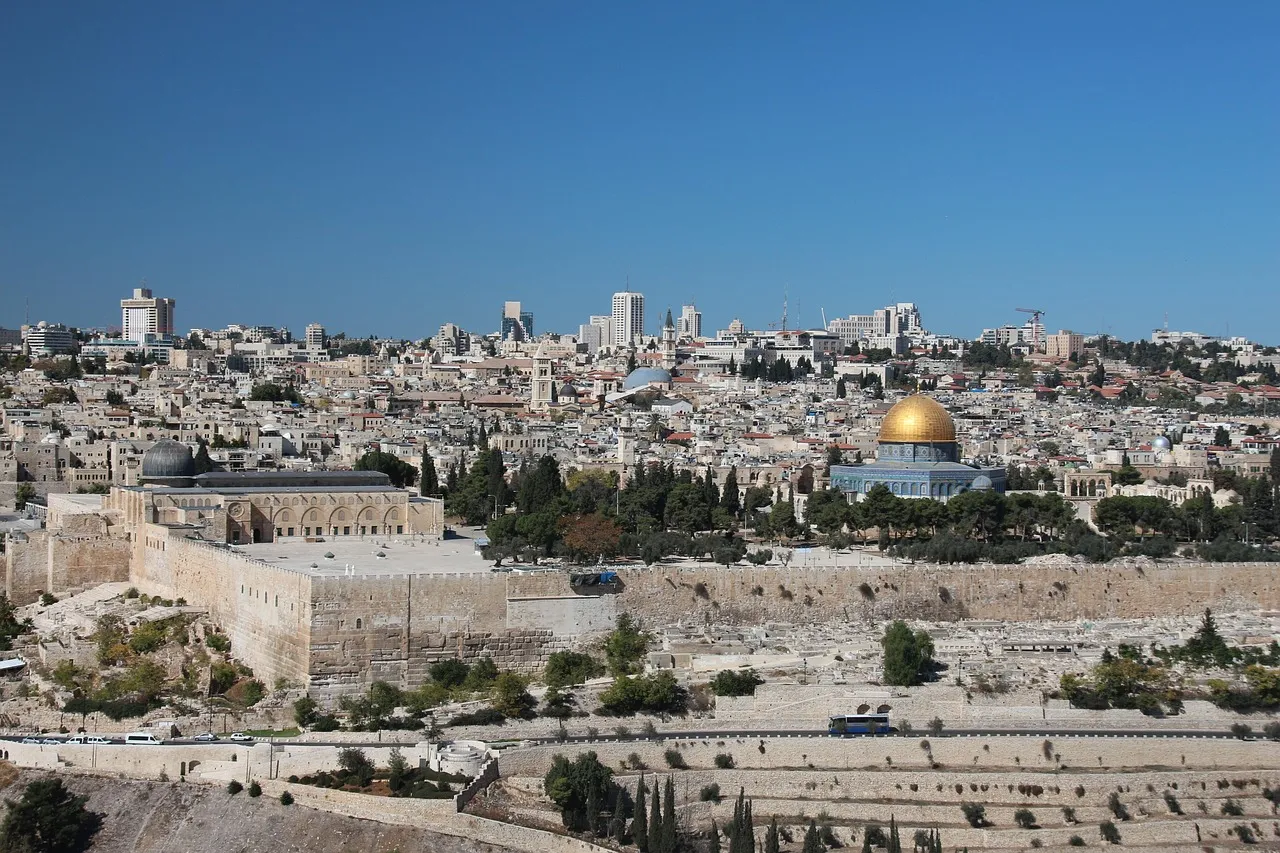
Notre Dame of Jerusalem Center. Run by the Pontifical Institute of Notre Dame, directly on the border of East and West Jerusalem across from the New Gate. This is the most church-group-appropriate hotel in Jerusalem. It has a rooftop restaurant with a direct view of the Old City, a proper auditorium, meeting rooms, and staff who understand devotional schedules. Rooms are not luxury but they are comfortable and the location is excellent. Bus parking on the street in front is workable.
Olive Tree Hotel. East Jerusalem, about a 10-minute walk from Damascus Gate. Popular with evangelical American groups. Has a private dining room that fits 60-80 people for meals and devotionals. Roof terrace with Old City view. Breakfast is one of the better group spreads in this tier. The tour operator relationships here are established, which usually means smoother logistics.
Mount Zion Hotel. Newer property on the western slope of Mount Zion, walkable to Jaffa Gate. Modern rooms, reliable A/C, good group infrastructure. The Hinnom Valley view from some rooms is a selling point. For groups that want a slightly more polished experience without moving into 5-star pricing, this is a strong option.
5-star options (special occasions or well-funded groups)
King David Hotel. The most famous hotel in Jerusalem. West Jerusalem, facing the Old City walls. If your group includes major donors or this is a once-in-a-generation trip, the King David delivers. Meeting rooms, impeccable service, and a breakfast that people talk about for years. The tradeoff: you’re 2.5 km from the Old City gates, so you’re adding daily transit.
American Colony Hotel. Boutique 5-star in East Jerusalem, north of the Old City. Beautiful property with a historic courtyard. Better suited to smaller, more culturally curious groups (15-25 people) than large pilgrim tours. Not a group logistics machine the way the King David is, but the experience is genuinely special for the right group.
Pro tip: If your budget is tight but you want the 5-star experience for one or two special meals, book a 4-star hotel and take your group to the King David’s breakfast buffet as a standalone visit. Most hotels allow outside guests for breakfast for a set fee.
Galilee and Tiberias hotels
Your group will spend 2-3 nights in the Galilee, almost certainly based in Tiberias on the western shore of the Sea of Galilee. This is the logistics hub for Nazareth, Capernaum, the Mount of Beatitudes, the Jordan River baptism site at Yardenit, and Cana.
What matters here is different from Jerusalem. The Old City proximity calculus doesn’t apply. What you want is lakeside access (it matters spiritually and for group morale), a private space for your renewal-of-vows or baptism ceremony setup if you’re doing one, and proximity to the Route 90 corridor that connects all the Galilee sites.
Scots Hotel Tiberias. This is the best group hotel in the Galilee, full stop. Historic property, right on the lakefront, private beach, excellent meeting spaces, strong breakfast. It was originally a Scottish mission hospital — the history layer adds something for pilgrim groups. It’s on the expensive side for Tiberias but it’s worth it if the budget allows. Book this one 9-10 months out for spring season.
Gai Beach Hotel. Large resort-style property on the lake, 3 km south of Tiberias center. Good for big groups (40-80+ people) because of the scale — multiple meeting spaces, huge breakfast operation, bus parking. The rooms are comfortable and the beach access is included. Not as atmospheric as Scots Hotel but it handles large groups better.
Nof Ginosar Kibbutz Hotel. On the northwestern shore, 10 km north of Tiberias. This is a different experience — a working kibbutz hotel. Rooms are simple, the setting is peaceful, and there’s a genuine sense of being on the lake. The Ancient Boat Museum is on-site (the first-century fishing boat). Groups that want something less resort-like and more reflective do well here. One logistical note: you’re farther from the main Tiberias restaurant scene, which matters if you have free evenings.
Ramada Hotel Tiberias. Reliable mid-tier option right in the center of Tiberias. Less distinctive than the options above but consistently manages groups well. Good for budget-focused trips.
What drives price in Tiberias: lakefront vs. inland location (lakefront adds 20-30%), room size, and whether beach access is included or costs extra.
Dead Sea: one-night options
Most itineraries allocate one night at the Dead Sea. You’re not here for a long stay. You’re here for the float experience, the sunset view from 430 meters below sea level, and a morning departure south toward Masada or north toward Jerusalem.
Isrotel Dead Sea Hotel. The group workhorse of the Dead Sea strip. Large, reliable, bus parking sorted, breakfast handles volume. The beach and pool complex is good. Not luxury, but it functions exactly as needed for a one-night group stop.
Leonardo Club Dead Sea. All-inclusive format, which works well for groups because you’re not managing individual meal expenses. Good beach access. On the northern end of the Dead Sea hotel strip, which is better positioned for Masada day trips.
Lot Spa Hotel. More upscale option. The infinity pool situation overlooking the Dead Sea is genuinely impressive. For groups where the Dead Sea night is a highlight experience rather than just a logistics stop, this is worth the premium.
One operational note: Dead Sea beach access has capacity limits during peak season (March-May, Jewish holidays). Book your hotel’s beach time slot in advance, not just the room block. I’ve seen groups arrive at 4pm to find the beach slot sold out.
Tel Aviv: arrival and departure nights
Most international flights arrive at Ben Gurion Airport, which is 30 minutes from Tel Aviv and 45-60 minutes from Jerusalem. For groups arriving on an overnight flight, a Tel Aviv hotel on night one prevents a tired, disoriented group from doing a 1-hour bus transfer before they’ve slept.
You don’t need much from a Tel Aviv hotel. You need proximity to the airport (less than 30 minutes), a breakfast that can handle a group, and bus staging. The spiritual significance of Tel Aviv for a pilgrim itinerary is essentially zero, so this is purely a logistics decision.
Leonardo Airport Hotel. 10 minutes from the terminal. Basic, functional, handles groups well. Exactly what you need for a one-night landing stop.
Leonardo City Tower Tel Aviv. In central Tel Aviv, near Ramat Gan. Good option for groups wanting a half-day in Tel Aviv before flying out. Walking distance to some restaurants and the Diamond Exchange area.
If your group has an extra day, Tel Aviv’s Old Jaffa neighborhood (ancient port city, mentioned in the book of Jonah) is worth a half-day. Our Israel travel guide for Christian visitors covers Jaffa and what it adds to a pilgrimage itinerary.
How group room blocks work
A room block is a contract. You’re committing to a minimum number of rooms; the hotel is holding them off general inventory for you. Here’s how the mechanics work.
The typical structure: You sign a contract for 30 rooms for 5 nights. The hotel holds all 30. You have a release date — usually 60-90 days before arrival — by which you must confirm your actual numbers. Rooms you release go back to general inventory. Rooms you keep past that date, you pay for whether your group fills them or not.
The comp room ratio. Standard industry practice is 1 complimentary room per 20 paying rooms. So a group of 40 gets 2 free rooms (usually given to the tour leader and pastor). Negotiate for 1 per 15. Many hotels will agree, especially in shoulder season or for multi-night stays.
What to negotiate before you sign:
- Comp ratio (1:15 instead of 1:20)
- Meeting room access for devotionals, and whether there’s a room hire fee
- Early check-in for groups arriving before noon (critical if your group lands on an overnight flight)
- A dedicated group breakfast window so 45 people aren’t queuing behind a general hotel population
- Luggage storage on departure day after checkout
The release date is critical. Most groups have some attrition — people who sign up and then drop out. Your goal is to know your final numbers before the release date so you’re not paying for empty rooms. Build your departure deadline and final payment collection to land 2 weeks before the hotel release date. That buffer saves you.
Pro tip: If you’re booking multiple hotels across a 9-10 day itinerary, coordinate release dates with your tour operator. A good operator handles this for you. If you’re booking independently, you’re managing 4-5 separate hotel contracts with 4-5 different release dates. That’s a real administrative burden for a volunteer church leader to carry.
Red flags: hotels that can’t handle groups
I’ve seen trips derailed by hotels that looked perfect online and were a disaster on the ground. These are the warning signs.
No dedicated group check-in process. If the hotel can’t tell you how they handle 40 people arriving at once, they haven’t done it. Your group will wait in the lobby for 90 minutes while individual travelers check in around them.
“Meeting space available upon request” without specifics. This usually means a partitioned corner of the restaurant. Ask to see the room, get the capacity, confirm the A/V setup if you need it.
Breakfast times that don’t accommodate early departures. A 7:00am earliest breakfast start kills your schedule when you need the group on the bus by 7:30am for Masada. Get this in writing: buffet opens at 6:00am for your group.
No bus staging area. Ask directly. “Is there a drop-off and staging area for a full-size coach?” A hotel that can’t answer clearly is a hotel with a street-parking problem.
Rooms on scattered floors. Some hotels will spread a group across floors 2, 5, 8, and 11 to use whatever inventory is available. This creates communication chaos on a trip where you need to get 45 people moving at 6:45am. Ask for rooms on 2-3 contiguous floors.
Unusually low quotes. If a Jerusalem 4-star hotel is quoting you significantly below market for Easter week, something is missing. Either the rooms are much smaller than standard, breakfast is not included, or the hotel has a known problem (renovation noise, a difficult manager, poor kitchen capacity). Ask what other groups have stayed there recently and call a tour operator who knows the market for a reality check.
When to book
The rules as of April 2026:
- Easter/Passover week (March-April): 10-12 months out, no exceptions
- Spring shoulder season (March, April excluding Easter, May): 8 months out
- Fall (September-November): 7-8 months out
- Winter (January-February): 5-6 months out is usually sufficient, but there’s no downside to booking early
The risk of booking late is not that you can’t find a hotel. You can always find rooms. The risk is that the hotels your tour operator has relationships with — the ones that handle groups well, know how to do the breakfast slot, have the meeting rooms, understand pilgrim schedules — are sold out. You’re left with whoever has inventory, which is often the hotels that struggle with groups.
Hotels fill from the top of their group relationship list down. The operators who book early get first pick. The groups who wait get the leftovers. You can search the full inventory of licensed properties through the Israel Hotel Association if you want to vet a property before your operator recommends it.
For a full cost breakdown including how hotel tier affects per-person pricing, see our church trip to Israel cost guide. For how the hotels fit into a day-by-day schedule, the 10-day Israel church itinerary shows exactly how the Jerusalem, Galilee, and Dead Sea nights stack up.
Book the hotels. Then build everything else around them.